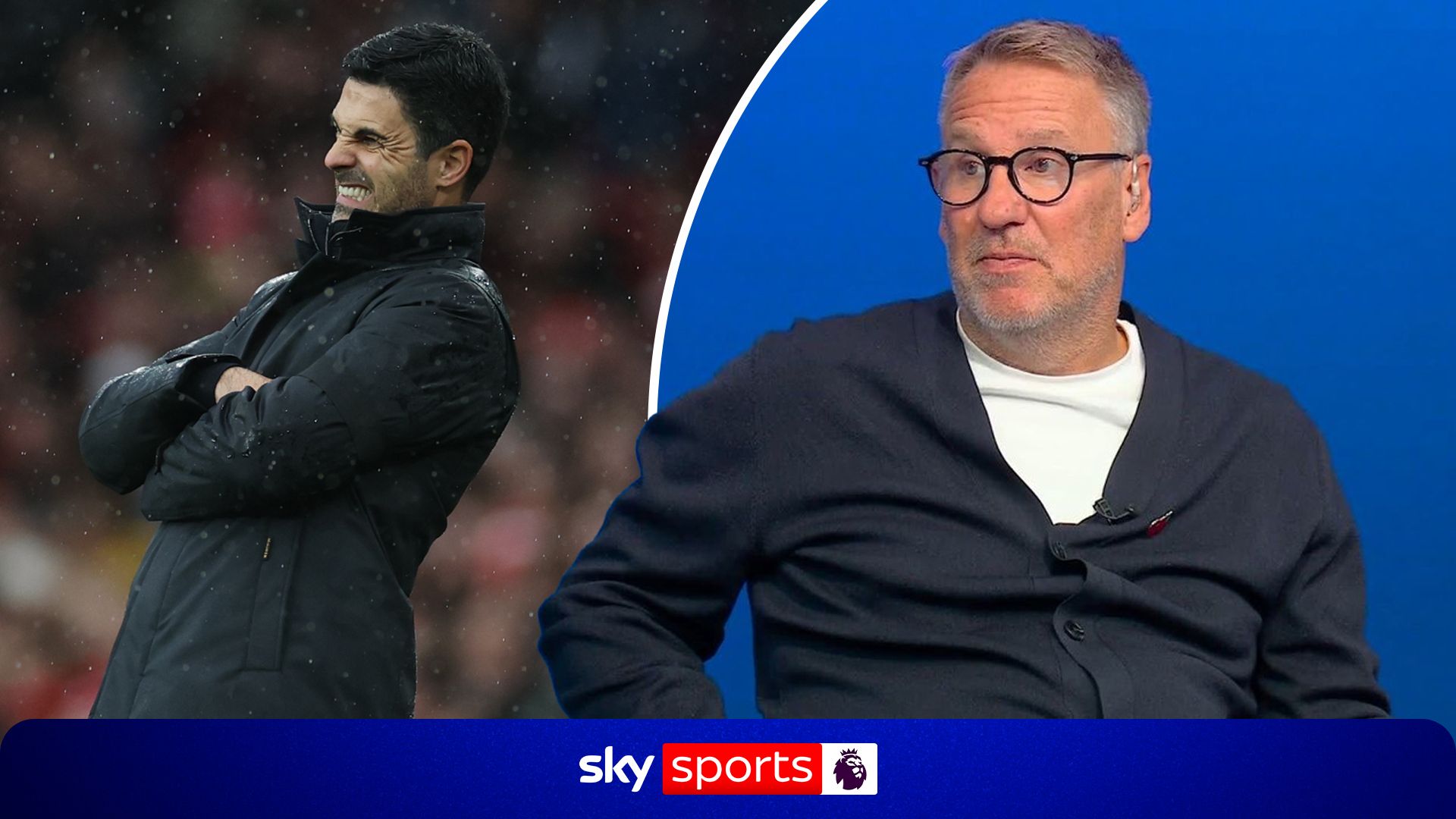


Arteta: Saka Injury 'Does Not Look Good' After Early Exit Against Bayern
Bukayo Saka was forced off inside the opening ten minutes of Arsenal's 2-2 Champions League draw at Bayern Munich, sparking serious concern over the extent of his injury.
The Evening Standard reports that Saka went down holding his left leg after passing the ball out wide, looking visibly uncomfortable before limping off and being immediately replaced (Evening Standard). Football.London adds that Arsenal staff were left "concerned" by what they saw, with Mikel Arteta giving a worrying update in the aftermath of the match (Football.London).
Sky Sports and the BBC both zero in on Arteta's own words, with the Arsenal boss saying the injury "doesn't look good at all" following the 2-2 draw in Munich (Sky Sports) (BBC Sport). BBC Sport specifically identifies the problem as a quadriceps injury, and poses the wider question of how Arsenal will cope without their key winger (BBC Sport).
The Guardian goes further on Arteta's reaction, noting he "made no attempt to conceal his concern" over the issue, and quotes him describing the situation starkly: "a player off with really sharp pain is never good news" (The Guardian). This lines up with the general picture painted by all outlets - that Saka was in significant discomfort and had to be withdrawn early, just ten minutes into the game according to the Guardian (The Guardian).
Across all five reports, there is clear agreement on the key facts: Saka suffered what appears to be a quad injury very early in the match, he was replaced quickly, and Arteta's post-match comments struck a notably pessimistic tone. None of the outlets yet confirm the precise diagnosis or expected timeline for Saka's return, though the language used by Arteta - echoed consistently by the Evening Standard, Football.London, Sky Sports, BBC Sport and the Guardian - suggests Arsenal could be facing a worrying wait for clarity on their star winger's fitness.
Written with the help of AI, using the headlines from the publishers credited above. Each point links to the original report — tap the source name to read it in full.